
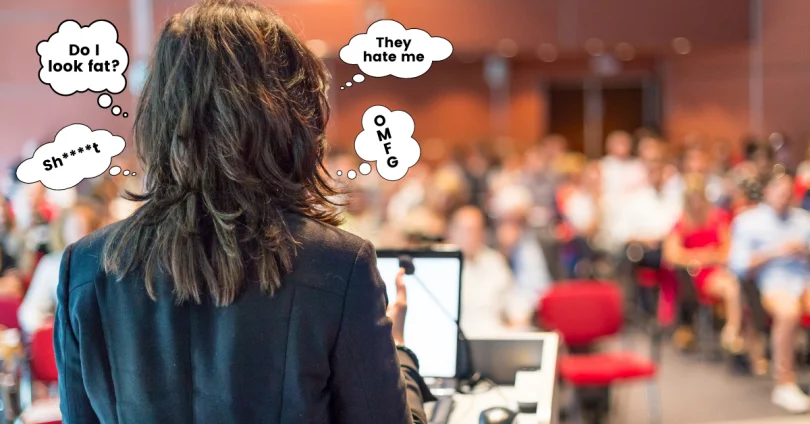
Public speaking consistently ranks as one of the most common fears, often surpassing even the fear of death for many people. But why is standing in front of an audience and delivering a speech so intimidating? This blog post explores the key reasons why public speaking feels so daunting and offers insights into how understanding these fears can help us overcome them.
The Fear of Judgment
At the heart of public speaking anxiety is the fear of being judged. When you’re on stage, all eyes are on you, and it’s easy to imagine the audience scrutinizing your every word, gesture, or mistake. This fear stems from our deeply rooted need for social acceptance. The possibility of saying something wrong or appearing incompetent can feel like a direct threat to our self-esteem and social standing. Consider Public Speaking Courses if you’re struggling.
The Spotlight Effect
The “spotlight effect” is a psychological phenomenon where we overestimate how much attention others are paying to us. When speaking publicly, you might feel like every small error—stumbling over a word or forgetting a point—is magnified in the audience’s eyes. In reality, most listeners are far less critical and often don’t notice minor slip-ups. This exaggerated sense of scrutiny amplifies the pressure and makes the experience feel more daunting than it actually is.
Lack of Control
Public speaking puts you in a vulnerable position. You can’t control how the audience will react—will they listen attentively, get bored, or, worse, heckle? This uncertainty can be unnerving. Unlike a one-on-one conversation where you can adjust based on immediate feedback, public speaking often feels like a one-way street, leaving you exposed without the ability to gauge reactions in real time.
Fear of Failure
The stakes can feel incredibly high during a speech. A single misstep could lead to embarrassment, loss of credibility, or even professional consequences, especially if the presentation is for work or a significant event. This fear of failure is often tied to perfectionism—many of us set impossibly high standards for ourselves, believing we must deliver a flawless performance to be taken seriously.
Physiological Responses
Our bodies don’t help matters. Public speaking triggers the body’s fight-or-flight response, releasing adrenaline and causing physical symptoms like a racing heart, sweaty palms, or a shaky voice. These reactions can create a feedback loop: you notice your nervousness, which makes you more anxious, which intensifies the symptoms. It’s no wonder that standing in front of a crowd can feel like facing a lion!
Lack of Experience
For many, public speaking isn’t something we do regularly, so it feels unnatural. Without practice, we lack confidence in our ability to perform well. The unfamiliarity of the situation—projecting your voice, maintaining eye contact, or pacing a speech—can make it seem like an insurmountable challenge. Even seasoned speakers were once beginners, but the learning curve can feel steep.
Overcoming the Fear
While public speaking may seem daunting, it’s a skill that can be developed. Here are a few strategies to ease the anxiety:
Prepare Thoroughly:
Knowing your material inside and out builds confidence and reduces the fear of forgetting key points.
Practice in Low-Stakes Settings:
Start with smaller groups or informal settings, like a toast at a family gathering, to build comfort.
Reframe the Audience:
Think of the audience as allies rooting for you, not critics waiting for you to fail.
Breathe and Pause:
Simple breathing techniques can calm your nerves, and pausing during your speech gives you a moment to regroup.
Accept Imperfection:
Mistakes happen. Audiences are more forgiving than you think, and small errors rarely derail a good message.
Conclusion
Public speaking feels daunting because it taps into deep-seated fears of judgment, failure, and vulnerability, amplified by our body’s stress responses and lack of experience. But understanding these triggers is the first step toward conquering the fear. With preparation, practice, and a shift in perspective, anyone can transform public speaking from a source of dread into an opportunity to connect and inspire.
